


2025 has been a turbulent year so far, with continuing conflict in Europe and the Middle East, escalating trade wars, and rising global tensions. It can be hard to remain calm amid loud headlines and the temptation to doomscroll. You might even have found yourself a bit overwhelmed.
Uncertainty breeds nervousness, and this plays out on global economic markets, too. Here, cutting out the “noise” and focusing on your own goals is key.
One area you might not immediately look to for help with this is interior design. And yet the key principles of Japanese aesthetics – peace, tranquillity, and space to breathe – could bring a sense of much-needed calm to your finances.
Here’s how.
1. Kanso and the importance of “less is more”

Simplicity and minimalism are key to the Japanese design principle of kanso, in which less is definitely more.
In a kanso-inspired house, expect to find beige and white walls, minimal clutter, and a focus on functionality. Clean lines define rooms filled with space and natural light, with an emphasis on fuss-free simplicity.
This provides a clean, quiet, and calm space in which to relax. And this is the headspace you should inhabit where your investments are concerned, too.
Remember, your plan isn’t a maximalist barrage of William Morris wallpaper and chintzy sofas (as appealing as that might be).
Instead, your financial plan and your investment strategy are a calm and collected, functional, and light-filled space aligned to a goal still some time away. There’s no rush, so take a moment to relax and breathe.
Steer clear of checking your investments by the hour and remember that investing is about patience and calm, not high-octane thrills.
2. Shizen and why you need to go your own way

Japanese design often leans heavily on nature. From incorporating natural materials to bringing the outside in through the use of house plants and natural light.
The literal translation of shizen is “nature” or “be natural”. It encourages a connection to nature but, more broadly, also petitions against artificiality and falseness.
Your financial plan is unique to you, based on your circumstances and goals, and it needs to reflect you, too. You might do this through investing in line with your values, on societal or environmental issues, say.
But shizen is also an important lesson in trusting in your own path. That means focusing on what matters to you and your goals, rather than being swayed by outside trends or adopting a potentially dangerous herd mentality.
Shizen can also be translated to incorporate “naturalness” and “spontaneity” and the concept of natural rhythms. So, trust in your own instincts, but don’t be afraid to seek professional help.
3. Stop striving for perfection with wabi-sabi
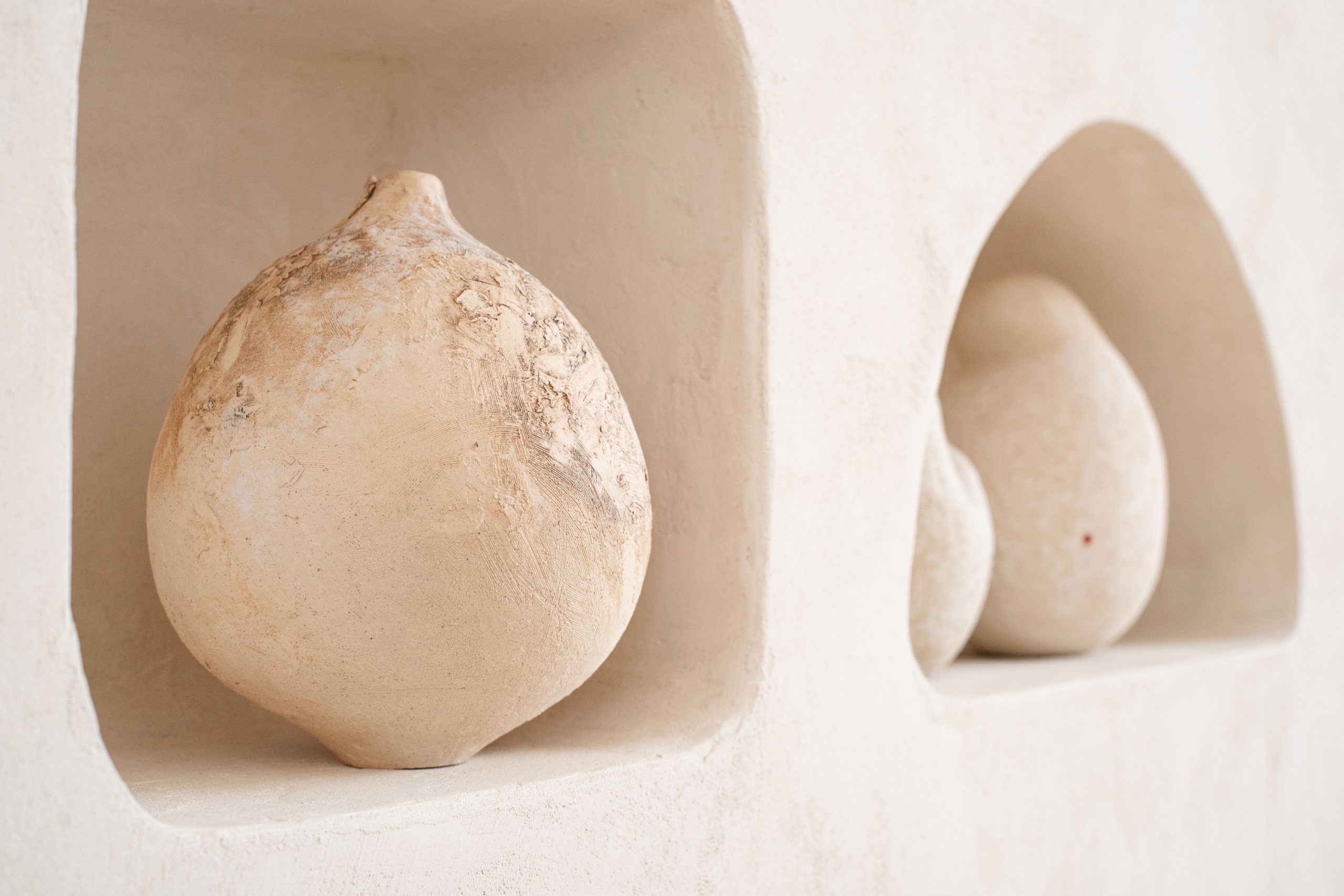
Wabi-sabi can be thought of as finding beauty in imperfection. It comes from:
- Wabi – A modest and rural kind of rustic simplicity
- Sabi – The beauty that is acquired through age or wear.
Together, wabi-sabi can be seen as adopting kanso’s minimalist simplicity and shizen’s love of nature. It might see you hold on to old or broken possessions rather than throwing them away, appreciating their age-worn character or upcycling them into something new.
It’s important not to strive for perfection in your investments. Doing so could see you trying to time the market, which very rarely works. And could drive you mad in the process.
Investment isn’t about achieving your goals as quickly as possible via a perfect run. Instead, it’s about taking the long route, reaching your goals in your given time frame while taking just the level of risk you are comfortable with.
That said, there’s a balance to be struck. Keeping hold of underperforming stock for the wrong reasons could be as detrimental as selling at the first sign of trouble. That’s why we’re on hand to help.
4. Diversify with Japandi

An amalgam of Japanese and Scandinavian design principles, so-called “Japandi” has become popular in recent years, initially in the US and now over here too.
It combines the clean lines and rough textures of Japanese design with the comfort and warmth associated with Scandinavian hygge (pronounced “hyoo-guh”).
If you worry that a purely Japanese style might look austere or lacking in cosiness, Japandi might supply the best of both.
It also provides a perfect lesson in the value of diversification.
In a volatile market, prices can rise and fall rapidly. Your portfolio is diversified across asset classes, sectors, and regions to spread risk, minimising your worry and helping you to stay calm, whatever happens in the markets.
5. Seijaku and zen calm, knowing your future is in safe hands

Seijaku is a design principle and a philosophy exemplified by the stillness and meditative quiet of Zen gardens.
These spaces emphasise mindfulness and being present in the moment, taking control of the things you have control over, while letting everything else float over you.
Whatever happens in UK and global politics, remember your goal and focus on that. At Jane Smith Financial Planning, we’re on hand to ensure you remain on track, so all you need to do is sit back in your own Zen garden and relax.
Get in touch
If you’re looking for an independent financial adviser in Milton Keynes or Olney to help instil a sense of calm into your long-term financial planning, look no further. At Jane Smith Financial Planning, we’ve been helping clients for 30 years, so contact us at info@janesmithfinancial.com or call 01234 713131 to see what we can do for you.
Please note
This article is for general information only and does not constitute advice. The information is aimed at retail clients only.
The value of your investments (and any income from them) can go down as well as up and you may not get back the full amount you invested. Past performance is not a reliable indicator of future performance. Investments should be considered over the longer term and should fit in with your overall attitude to risk and financial circumstances.

 Production